

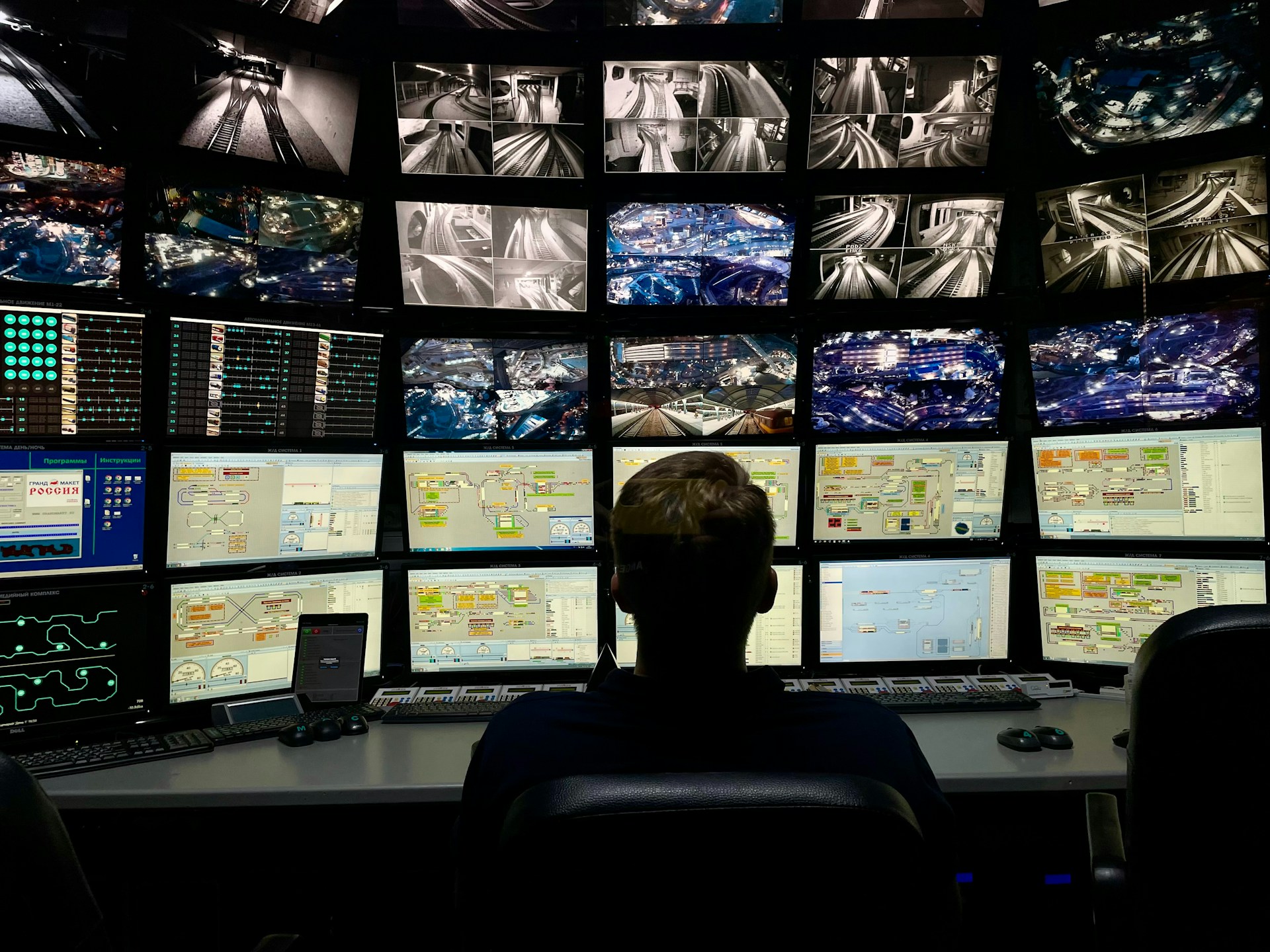
Top Technologies Revolutionizing Remote Security Monitoring
Remote security monitoring has advanced far beyond traditional cameras and alarm systems. Today, technology enables users to observe, analyze, and respond to security events from anywhere, enhancing both safety and operational efficiency. Modern surveillance solutions integrate intelligent software, cloud storage, and mobile access to make monitoring seamless and proactive. For example, individuals and businesses can now manage cameras, receive instant alerts, and review recordings from desktops and laptops by using tools like gcmob for laptop, which streamlines monitoring across multiple devices. With the right technologies, remote security systems deliver greater clarity, faster responses, and a simplified workflow that empowers both security personnel and everyday users to maintain vigilance effortlessly.
Artificial Intelligence and Video Analytics
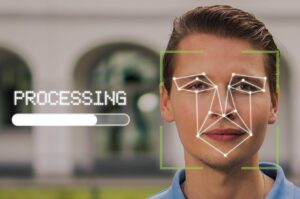 Artificial intelligence (AI) has transformed how remote surveillance systems operate. Modern AI algorithms can detect unusual activity, identify faces, recognize license plates, and even analyze crowd behavior in real time. These intelligent features reduce the need for constant human supervision, allowing security teams to focus on critical alerts rather than monitoring every frame manually. Video analytics can flag potential threats instantly, providing proactive intervention and reducing response times. By combining AI with machine learning, cameras can adapt to environmental changes, improving accuracy and reducing false alarms over time.
Cloud-Based Surveillance
Cloud integration has revolutionized data storage and accessibility for remote monitoring. Cloud-based platforms allow video footage to be uploaded and stored securely offsite, eliminating concerns about local device damage or theft. Users can access video streams from any location, review historical footage, and share clips with authorities or colleagues with ease. This technology also supports scalable storage, accommodating expanding camera networks without requiring costly hardware upgrades. Cloud systems often include encryption and multi-factor authentication, adding an extra layer of protection for sensitive data.
High-Definition and 4K Cameras
Resolution is a critical factor in modern surveillance. High-definition (HD) and 4K cameras capture clearer images, enabling the identification of small details that could be missed with standard cameras. These cameras perform well in both indoor and outdoor settings, providing sharp visuals that are essential for evidence collection and detailed monitoring. Combined with optical zoom and wide-angle lenses, high-resolution cameras allow users to cover larger areas without sacrificing image quality. Enhanced clarity improves situational awareness, aiding in both prevention and investigation of incidents.
Remote Access and Mobile Integration

Remote access has become a cornerstone of modern security systems. Mobile apps and desktop software enable users to view live feeds, adjust camera angles, and control system settings without being physically present. Platforms like gcmob for laptop allow multi-camera monitoring, quick playback, and real-time notifications directly on computers or mobile devices. This flexibility is crucial for business owners, security managers, and homeowners who require constant awareness. Remote integration reduces response delays and allows for faster coordination with emergency services if necessary.
Internet of Things (IoT) and Smart Sensors
The Internet of Things (IoT) enhances remote security by connecting cameras, sensors, alarms, and other devices into a unified system. Smart sensors detect motion, temperature changes, door or window activity, and even environmental hazards like smoke or gas leaks. When integrated with IoT-enabled cameras, these sensors trigger immediate alerts and activate recording automatically. This interconnected ecosystem improves detection accuracy and automates routine monitoring tasks, allowing security teams to respond efficiently and reducing reliance on manual observation.
The evolution of remote security monitoring relies on a combination of intelligent software, high-resolution imaging, cloud storage, mobile access, and IoT integration. AI-powered analytics detect unusual activities proactively, while cloud platforms provide accessible and secure storage solutions. High-definition cameras enhance detail and accuracy, and remote access tools simplify real-time monitoring. Smart sensors and IoT devices automate routine surveillance tasks, making security operations more efficient and responsive. By leveraging these technologies, users can create comprehensive security systems that reduce risk, improve incident response, and provide reliable protection for homes, businesses, and public spaces.